Reseller Resources
Which Marketplace Is Right for Me?Compare eBay, Etsy, Ruby Lane, Poshmark, Facebook, Whatnot and live-selling options—then see how cross-listing can help.
Find your buyers, not just another app
Jewelry sells differently depending on age, style, price, and whether you enjoy live interaction. A rare Trifari brooch may reach a different audience from a trend-driven necklace or a 50-piece clearance lot. Start with one marketplace that fits your inventory, then expand where it makes sense.
Compare places to sell jewelry
| Marketplace | Good for | Typical U.S. seller fees | Advantages / watch-outs |
|---|---|---|---|
| eBay ↗ | Vintage costume jewelry, signed pieces, collectibles, estate pieces, fine jewelry. | Most jewelry: 15% at or below $5,000, plus per-order fee; category/store variations apply. | Big audience, sold comparables, fixed-price or auction. Competition is intense; descriptions and specifics matter. |
| Etsy ↗ | Genuine vintage jewelry (20+ years old), antique and distinctive pieces. | $0.20/listing + 6.5% transaction + U.S. payment processing typically 3% + $0.25; ads can add fees. | Buyers appreciate story and style. Vintage eligibility, listing renewals and extra advertising fees matter. |
| Ruby Lane ↗ | Antique jewelry, collectible vintage designer jewelry, estate pieces and established specialist sellers. | $45 monthly shop fee (unlimited items); 9.9% on the first $2,500 of a sale, 5% on the next $5,000 and 2.5% above $7,500. Payment processing may be extra. | Collector-oriented audience with a strong antique and vintage focus. Shop approval and a recurring monthly fee make it less suited to occasional or low-volume sellers. |
| Poshmark ↗ Posh Shows (LIVE) ↗ | Fashion and vintage jewelry, recognizable brands, mid-priced pieces, and live jewelry auctions. | $2.95 for sales under $15; 20% for $15+. Standard seller fees also apply to Posh Shows. | Fixed-price listings, offers, live and silent shows, live auctions and buy-now sales; some hosts can feature other sellers’ items. Live hosting requires eligibility; sharing and audience-building take time. |
| Mercari ↗ | Mid-priced jewelry, accessible vintage, small collections and everyday pieces. | 10% seller fee on item price and buyer-paid shipping; buyer protection fee is separate. | Simple listing and offers. Buyers can be price-sensitive; review shipping economics. |
| Depop ↗ | Trend-led vintage, Y2K, charms, layered chains, statement jewelry. | U.S. sellers: no standard selling fee; 3.3% + $0.45 payment processing; optional boosting extra. | Style-driven, younger audience. Presentation and trend vocabulary matter more than formal collector language. |
| Facebook Marketplace & groups ↗ | Local sales, jewelry lots, collections and community buyer groups. | Local cash/pickup transactions generally have no Meta marketplace commission; checkout/shipping and payment options vary. | Useful for local pickup and bulk lots. More messaging, no-shows and payment/scam precautions; group rules differ. |
| Whatnot ↗ | Live jewelry auctions, themed shows, affordable lots and repeat collectors. | U.S. commission starts at 8%, declines at sales thresholds; processing 2.9% + $0.30 on total order value. | Fast, engaging sales if you have an audience. Requires live presentation, scheduling, show preparation and audience-building. |
| TikTok Shop / LIVE ↗ | Visual, trend-driven jewelry and sellers comfortable making videos or live broadcasts. | Many U.S. categories 6%; certain fine-jewelry and pre-owned categories 5%; other costs may apply. | Discovery through short videos and live shopping. Seller eligibility and product-policy restrictions need checking for vintage items. |
Fees researched November 3, 2026; U.S. baseline terms shown, not guaranteed effective fees for every category, account, promotion or shipping method. Check the marketplace’s current fee schedule before publishing.
Where can I sell jewelry live?
Live or silent shows with auctions and buy-now listings. An accessible way to move lower-priced pieces, bundles, and older inventory; standard Poshmark fees apply.
Explore Posh Shows →Designed for live auctions, with bidding, checkout, and shipping in one platform. Especially useful for themed jewelry lots and frequent selling sessions.
Explore Whatnot →Reach an existing collecting community, particularly for local lots. Sellers often handle claims, payments, and shipping themselves.
Explore Facebook →Best suited to sellers who enjoy video and audience-building. TikTok Shop offers integrated checkout for eligible shops; Instagram sellers need a suitable purchase channel.
Explore TikTok Shop →Why cross-list to more than one marketplace?
A cross-listing service lets you create or import a listing once and reuse its photos, title and details across supported marketplaces. That can reduce repeated data entry and expand exposure. Some services also detect sales and help remove sold listings elsewhere—critical for one-of-a-kind vintage jewelry. “One-click” does not mean zero review: check each marketplace’s category, shipping details, material claims and price, and verify sale synchronization.
Compare the cross-listing tools
Flyp
Advantages: low price, broad marketplace coverage including Etsy and Facebook, AI autofill, syncing, auto-delisting and Poshmark tools. Trade-off: check the marketplace-specific publishing flow and whether its automation fits your setup.
Explore Flyp ↗Vendoo
Advantages: multi-marketplace catalog, sale detection and auto-delisting, mobile app, analytics; higher tiers add AI, background removals and seller automation. Trade-off: features vary by tier, and annual billing changes the effective price.
Explore Vendoo ↗List Perfectly
Advantages: templates, broad marketplace support, inventory catalog, bulk tools on higher plans, and advanced photo or Poshmark features. Trade-off: useful automation and auto-delisting may require higher-cost tiers.
Explore List Perfectly ↗Crosslist
Advantages: universal listing form, 11+ marketplaces, background removal, mobile app and higher-tier sales detection. Trade-off: monthly new-item limits and automation capabilities vary by tier.
Explore Crosslist ↗Nifty
Advantages: AI drafts from photos, inventory management, marketplace-specific field assistance and optional Poshmark/eBay automation bundles. Trade-off: active-inventory limits, credits and marketplace support vary by plan.
Explore Nifty ↗Match the tool to your inventory volume, marketplaces, device, and level of automation. Try it with a few listings, confirm the image order and item specifics, then test that a sold item disappears from other marketplaces. Selling fees charged by eBay, Etsy and other marketplaces are separate from cross-listing software subscriptions.
Create Jewelry Listings That SellBuild a compelling, trustworthy listing with strong photos, searchable titles, complete details, and realistic pricing.
A strong jewelry listing does two jobs: it helps the right buyer find your piece, and it gives them enough confidence to purchase without surprises. Start with the actual jewelry, not a sales pitch.
1 Make your first photograph count
Use the actual piece, photographed sharply in soft, even light. A light box or diffuser helps control glare on polished metal and rhinestones. Keep the jewelry large enough to inspect, with a simple white or light-neutral background for a clean main image.
Follow with the back, clasp, hallmark or maker’s mark, stone settings, side profile, and all notable flaws. Styled photography can add appeal, but it should not replace clear documentary images. Never edit away wear, damage, or missing stones.
2 Write an SEO-optimized title buyers actually search
Search engine optimization (SEO) helps buyers find your listing in marketplace searches and on Google. Lead with the words shoppers are likely to use: vintage or era (when supported), maker, jewelry type, and distinctive design details such as floral or rhinestone. Add verified terms like “signed” and the finish when helpful. Use natural wording, put the strongest keywords near the beginning, and stay within the marketplace’s title limit. Avoid keyword stuffing, unnecessary punctuation, and unsupported claims such as “solid gold,” “rare,” or “Juliana.”
Vintage Trifari Brooch Signed Floral Rhinestone Gold Tone
Why this works: “Vintage Trifari Brooch” establishes the core search phrase; “Signed,” “Floral,” “Rhinestone,” and “Gold Tone” add buyer-relevant detail. Use every term only if verified on the actual piece.3 Show the size—and give accurate measurements
Buyers cannot always judge scale from close-up photos. Add a size-reference photograph showing the jewelry resting in your open palm or beside a U.S. penny, especially for brooches, pendants, and earrings. Keep the entire piece visible and the reference on the same surface so its size is not misleading.
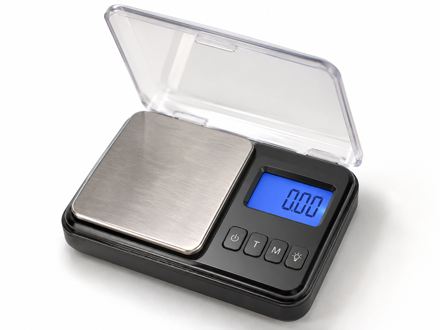
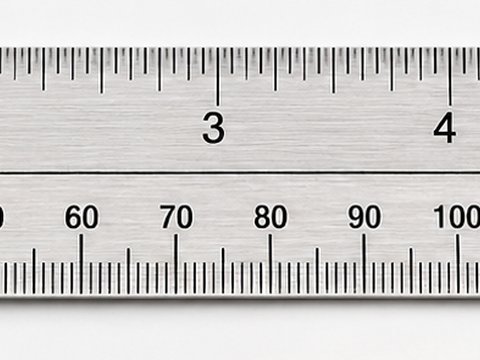
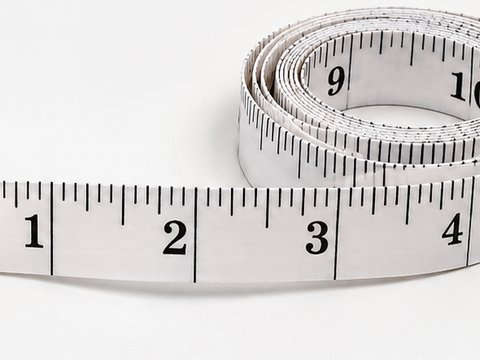
Include written measurements, too: brooch height and width, necklace wearable length, bracelet inner circumference or length, ring size, pendant dimensions, and earring drop. Include weight where useful. Make clear when dimensions are approximate, and identify metals or gemstones only to the level your evidence supports. A reference photo adds context; it does not replace measurements.
4 Describe condition without surprises
State whether the piece is pre-owned or new old stock when you can support that designation. Describe missing or replaced stones, scratches, tarnish, plating wear, repairs, loose clasps, and other relevant imperfections. Make the written condition agree with the photos and item specifics.
If you use AI to draft your description, review every line. AI can confidently invent a brand, gemstone, date, metal purity, provenance, or condition detail. Fix those errors before publishing to reduce item-not-as-described (INAD) disputes.
5 Price from the market, not just asking prices
Review actual sold listings before setting your price. Active listings reflect what sellers are asking—not necessarily what buyers are willing to pay. Examine several recent, genuinely comparable sales, taking the maker, design, materials, size, condition, and completeness into account. Then factor in marketplace fees, shipping costs, your desired margin, and room for offers.
6 Complete the listing and make fulfillment easy
Choose the most accurate category and item specifics. Provide a clear shipping policy, careful packaging, and the correct handling time. Double-check the title, condition, measurements, price, photos, and return terms before publishing. For one-of-a-kind pieces listed on multiple marketplaces, remove sold listings promptly.
A simple description structure
Signed vintage Trifari floral brooch featuring clear rhinestones in a gold-tone setting.
MeasurementsApproximately 2 inches high by 1½ inches wide.
ConditionPre-owned; light surface wear visible in close-up photos. All stones present and clasp functions properly.
Illustrative example only—not a description of an item offered for sale.
Before you publish
- Primary photo is sharp, well lit, and shows the actual piece.
- Close-ups document marks, hardware, backs, and any flaws.
- Title contains relevant, verified search terms.
- Measurements, materials, and condition are accurate; add a palm or coin photo where scale is helpful.
- Price reflects comparable sold items and your selling costs.
- Any AI-generated text has been verified line by line.
- Shipping, return details, and inventory availability are correct.
Background Removers & Photography Tools
Background removers make it surprisingly easy to give jewelry photographs a clean, professional appearance. Many selling platforms already include simple background-removal features, so you may not need a separate app to get started. Good, soft lighting and a basic light box can also make a big difference.
Jewelry is especially challenging for automatic background removal, however. Fine chains, filigree, openwork, tiny prongs, and transparent stones can be cut away, blurred, or distorted. Always zoom in and compare the edited image to the original before publishing.
There are also paid photography and background-editing apps with more advanced options. Photoroom, for example, offers sophisticated background removal and AI styling tools that can help create lifestyle scenes and model-style presentations. Those features are useful for attractive marketing images, but AI-generated models or scenes should be presented as illustrative—not as evidence of fit or a substitute for accurate photographs of the actual jewelry.
Use editing to improve presentation, never to change the color, condition, proportions, stones, or construction of the item you're selling.
Explore jewelry light boxesExplore Photoroom
Some resources may contain affiliate links; commercial relationships do not determine maker identification or historical attribution.
Listing Tools & SuppliesUseful photography, measuring, packing, and presentation equipment.
Listing Supplies
Why these tools help: accurate listings, better photographs, safer packing, and a faster workflow. Browse the options below and choose what suits your sales volume.
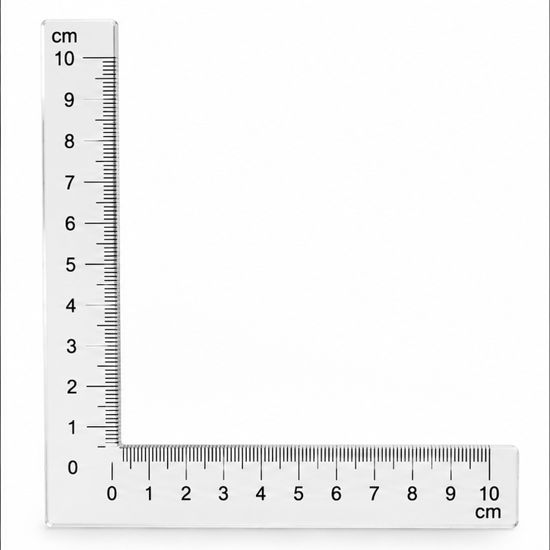
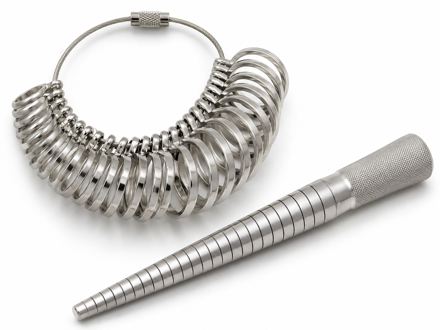
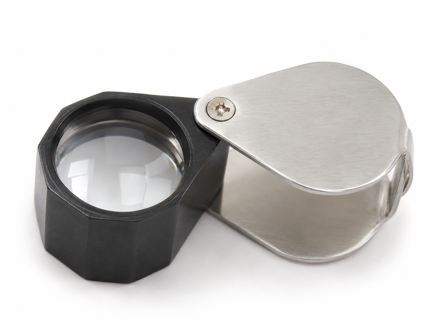
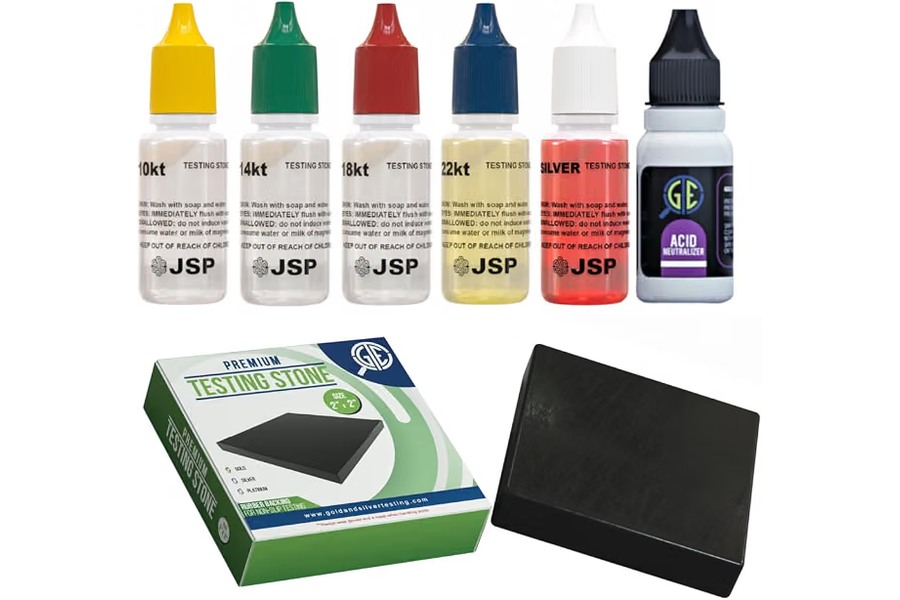
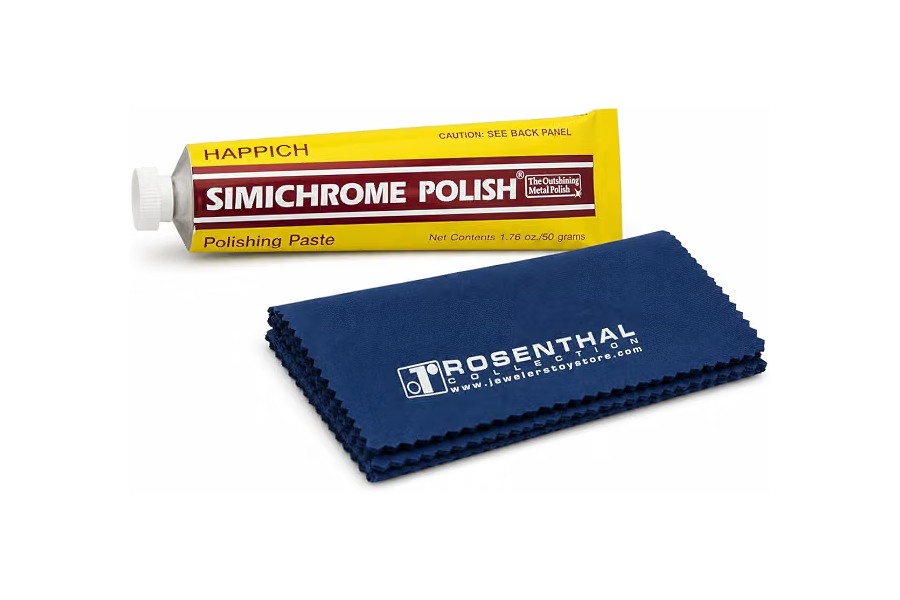
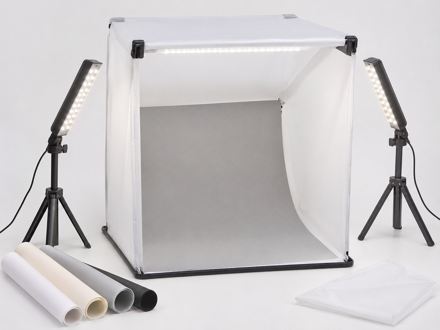
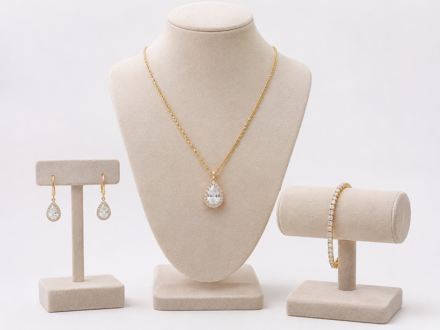
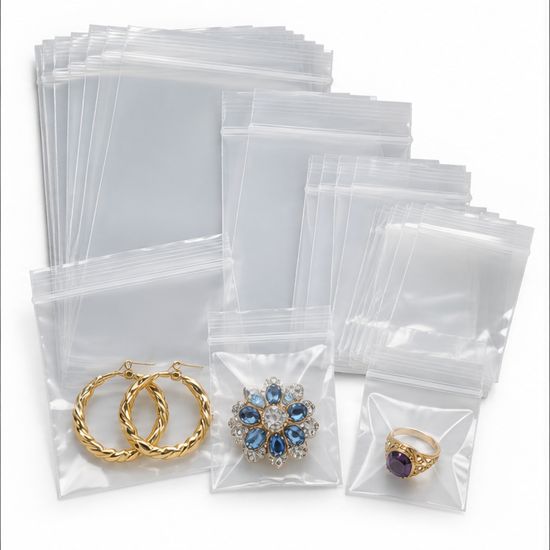


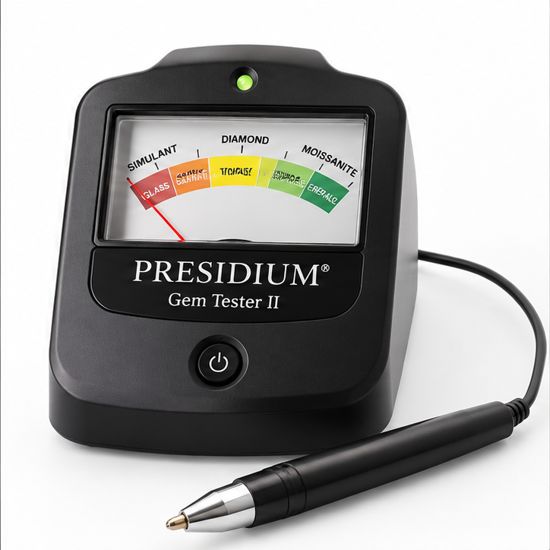
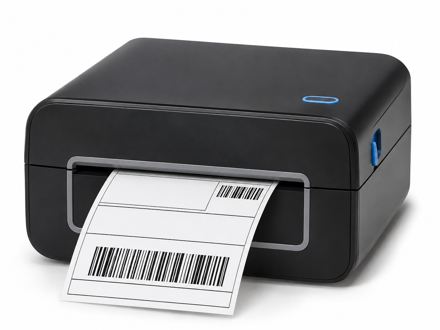
As an Amazon Associate I earn from qualifying purchases. Some recommended links may earn us a commission at no additional cost to you.
Jewelry Reference BooksIdentification guides, maker histories, and construction details, including Juliana.
Jewelry Reference Books
Visual identification guides for vintage costume jewelry, antique pieces, and fine jewelry. Use older price guides for research, not as a substitute for current sold-price comparisons.
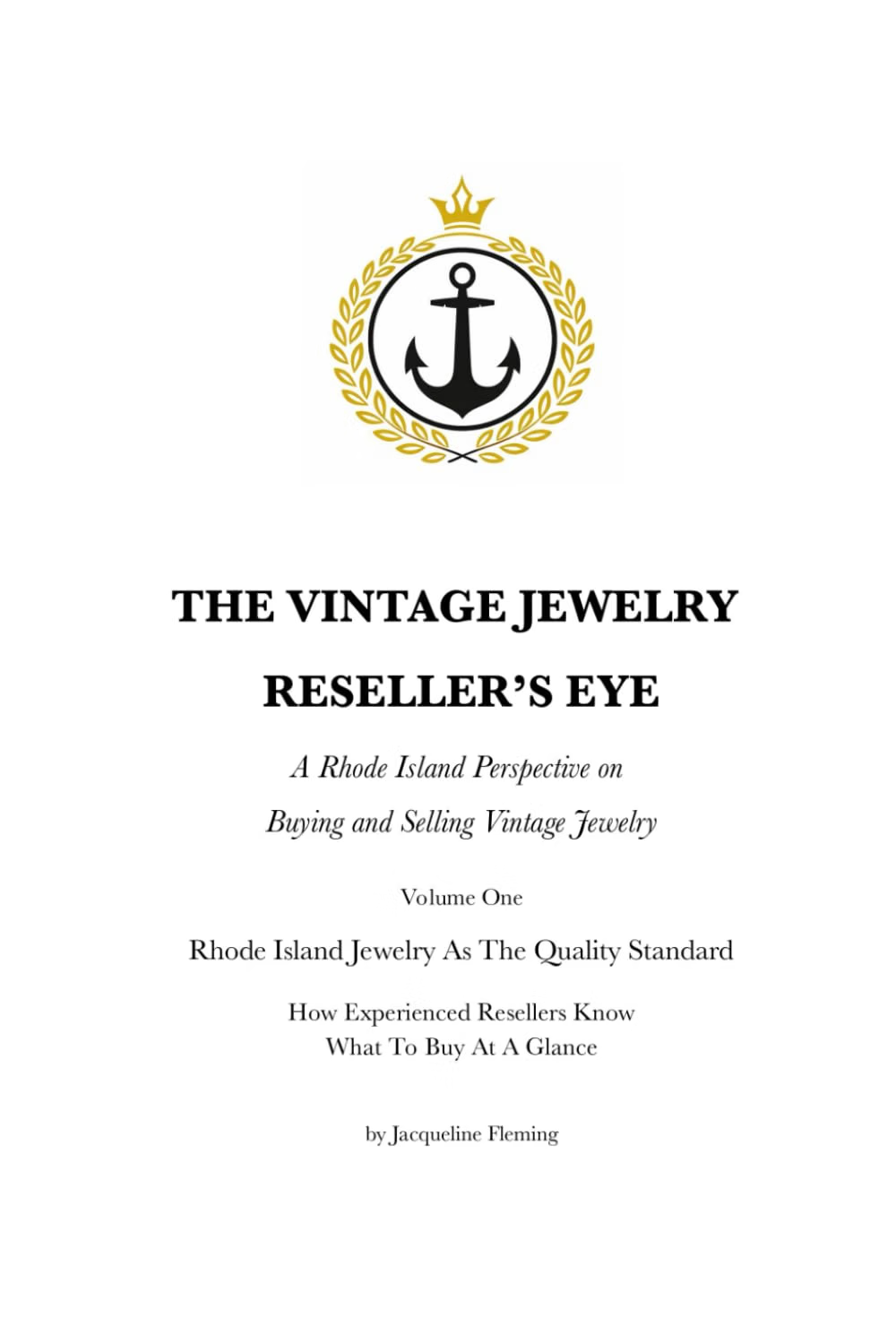
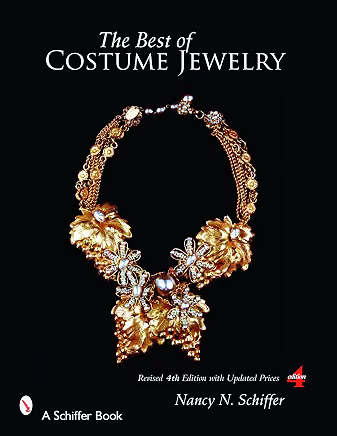
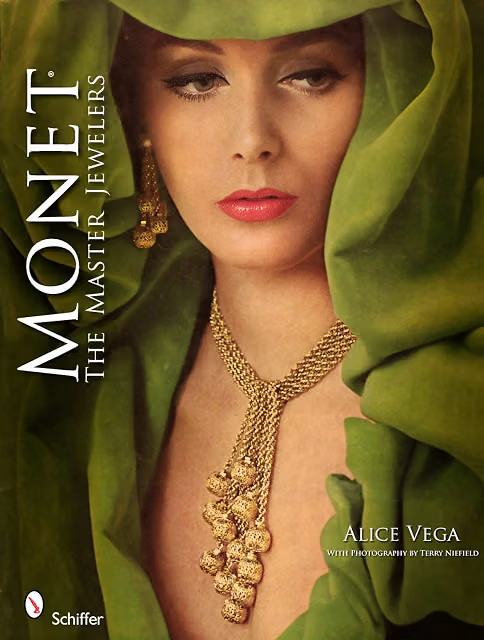
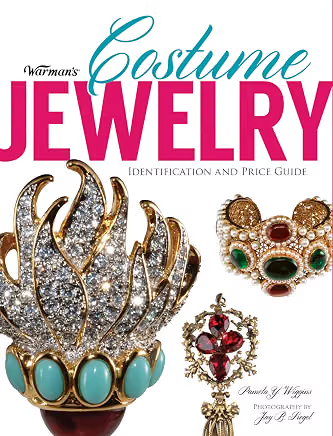
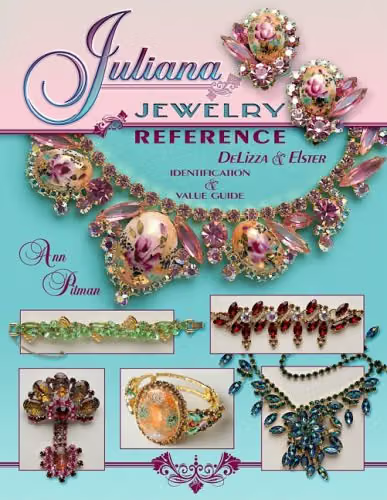
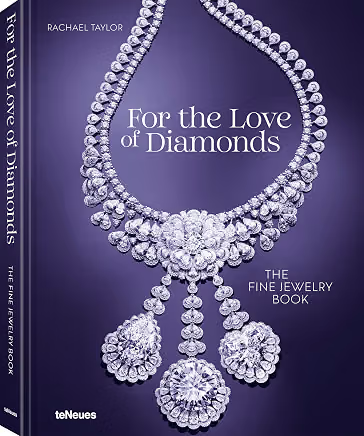
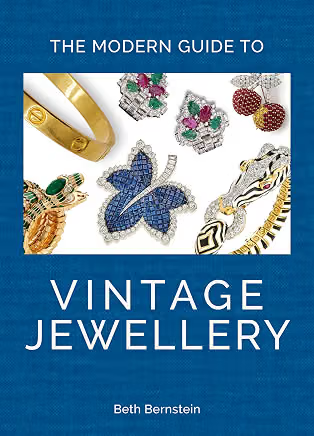
As an Amazon Associate I earn from qualifying purchases. Some recommended links may earn us a commission at no additional cost to you.
Museums & Historical CollectionsMuseum collections and archives for jewelry research.
Museums & Historical Collections
Explore museum collections and historical resources for costume jewelry, design, and American jewelry manufacturing.
Museum of Costume Jewelry
Explore costume jewelry history, makers, styles, and curated exhibits. A useful visual resource for collectors and researchers.
Visit museum website ↗Providence Jewelry Museum
Research Providence and American jewelry manufacturing history through historical tools, samples, catalogs, and archives. Check the museum website for current visitor access before planning a visit.
Visit museum website ↗Is It Juliana Jewelry?
Search a collector-curated archive of DeLizza & Elster (Juliana) jewelry. Compare documented designs, stones, colors, and construction details when researching a possible Juliana piece.
Explore Juliana identification archive ↗